
Telehealth for Trauma

You are not alone
At Evenson Counseling, we provide trauma-informed therapy through secure telehealth across South Dakota and Minnesota. You can access support from your own space — without needing to travel or explain your situation to multiple providers.
Many people carry the effects of trauma quietly. You may be managing day-to-day life while still feeling overwhelmed, on edge, disconnected, or stuck in patterns that are hard to change. Trauma can shape how you experience yourself, your relationships, and the world around you — even long after the original events.
Healing is possible. With the right support, people can process what they’ve been through and begin to feel more steady, present, and in control of their lives.
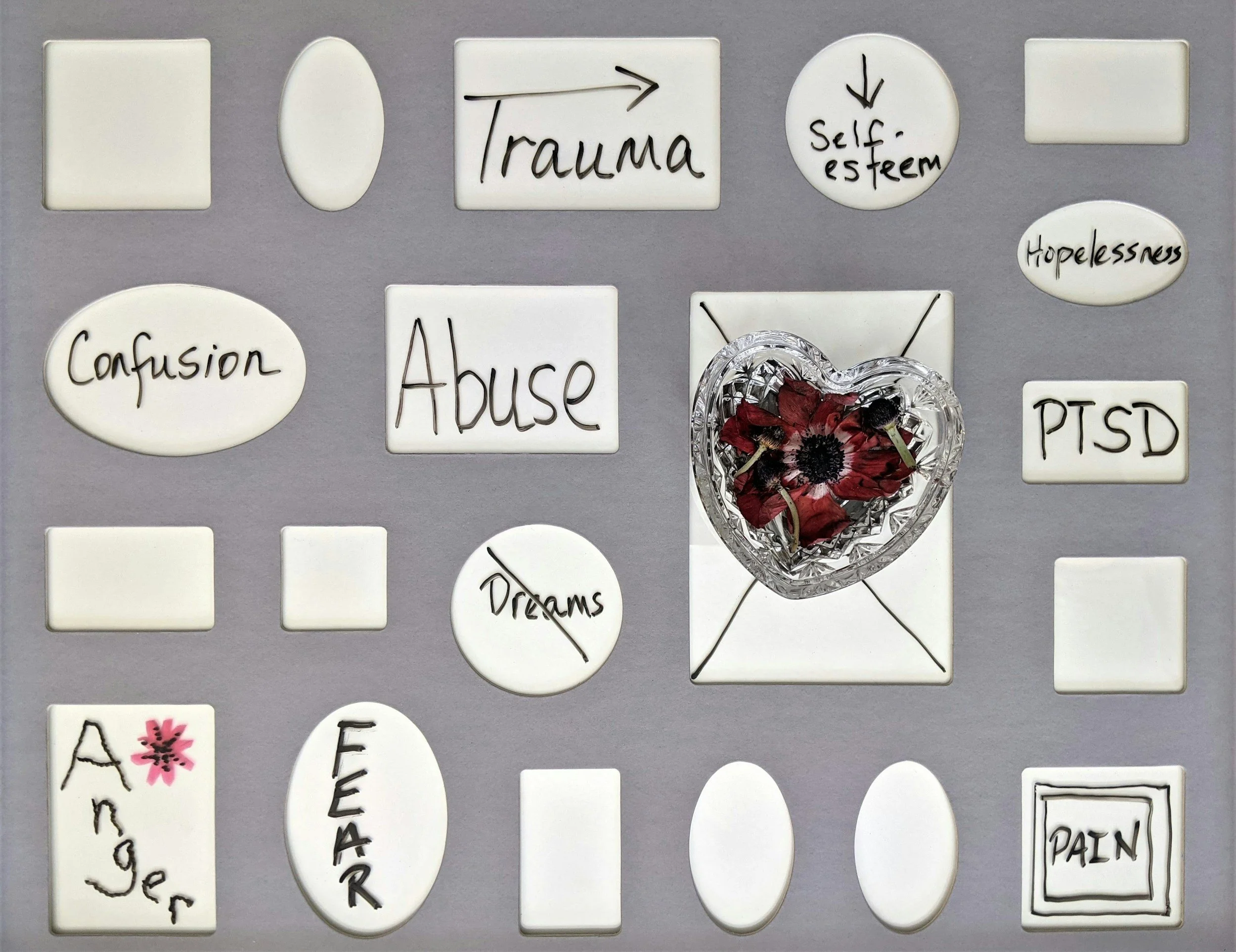
understanding trauma
Trauma doesn’t always look the same. It can come from a single event or from experiences that happened over time.
You may notice trauma showing up as:
Anxiety or constant tension
Feeling on edge or easily overwhelmed
Disconnection or numbness
Difficulty trusting others
Trouble sleeping or concentrating
Strong emotional reactions that feel hard to manage
Patterns in relationships that don’t feel like they’re working
Many of these responses developed as ways to cope. What once helped you get through may now feel like it’s getting in the way.

How telehealth works — and what makes it different at Evenson Counseling
Telehealth at Evenson Counseling is designed to feel simple, private, and easy to use.
Sessions take place through a secure video platform. You can join from your phone, tablet, or computer — wherever you feel most comfortable. You don’t need to be especially tech-savvy. We provide clear instructions, and most people find the process straightforward after the first session.
What makes telehealth different here
We know that telehealth can feel uncertain at first. Many people wonder if it will feel impersonal or harder to connect.
Our experience is that meaningful, connected therapy absolutely can happen through telehealth — and often feels more comfortable than expected.
At Evenson Counseling, we focus on:
Moving at your pace — especially important in trauma work
Helping you feel grounded and supported, even through a screen
Making space for pauses, reflection, and real conversation
Working in a way that fits your environment, not forcing a one-size-fits-all approach
How telehealth trauma therapy can help
Telehealth allows you to engage in trauma therapy from a place that feels familiar and private. For many people — especially in rural communities — this makes it easier to begin and to stay consistent with care.
Through telehealth, we work with you to:
Understand how trauma has affected your thoughts, emotions, and body
Build tools to feel more grounded and regulated
Process experiences at a pace that feels manageable
Reconnect with a sense of safety and control
Strengthen confidence, self-trust, and resilience
Many clients find that being in their own space actually helps them feel more open, more relaxed, and more able to engage in the work.
For clients in rural South Dakota and Minnesota, telehealth removes many of the barriers that can make therapy difficult to access — including travel time, limited local providers, and concerns about privacy in smaller communities.
It allows you to receive consistent, affirming care without needing to rearrange your life around getting to an appointment.
You don’t have to travel long distances or wait for limited local options to access trauma-informed care.

You are more than what happened to you
We approach trauma work with care, respect, and intention. There is no expectation to share everything right away or to move faster than feels comfortable. Therapy is collaborative. We focus on helping you understand your experiences, build practical tools, and create space for healing over time. Our goal is not just to help you manage symptoms, but to support you in building a life that feels more grounded, connected, and aligned with who you are.
Even if trauma has shaped parts of your life, it does not define you. With the right support, it is possible to move forward with greater clarity, strength, and self-understanding. You don’t have to do that alone.